English
 中文
中文
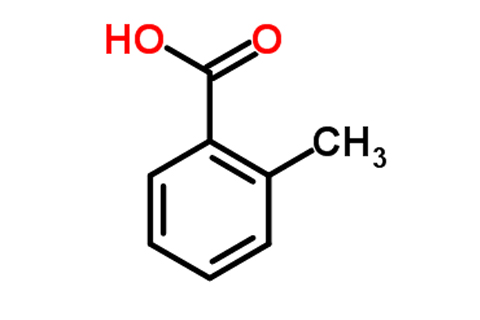
CAS No.: 95-47-6
Applications: Its core application is the production of phthalic anhydride, a key raw material for manufacturing dyes, pharmaceuticals, plasticizers, indicators and other products. It also serves as a chemical raw material and solvent for producing fungicides such as isoprothiolane, tetrachlorophthalide and herbicide bensulfuron-methyl, as well as intermediates like o-toluic acid. Additionally, it can be used as an aviation gasoline additive, chromatographic standard substance, and diluent solvent for coatings and inks.
CAS No.: 108-38-3
Applications: Over 90% of m-xylene is used to produce isophthalic acid, and refined isophthalic acid (PIA) after further purification is widely applied in manufacturing unsaturated polyester resins (UPR), PET modified materials, powder coatings, high-temperature adhesives and more. It also acts as an organic synthesis intermediate for pigments, spices, medical products and dyes, and is a raw material for oil-soluble color couplers in motion picture films.
CAS No.: 106-42-3
Applications: 98% of global p-xylene is used to produce terephthalic acid (PTA) and dimethyl terephthalate (DMT), the core raw materials for polyethylene terephthalate (PET), which is widely used in polyester fibers (terylene), plastic bottles, films and other daily and industrial products. It also serves as a solvent for coatings, inks and adhesives, and a raw material for pharmaceutical and pesticide intermediates; its catalytic oxidation products are used for fiber and resin production.
CAS No.: 100-41-4
Applications: 90%-95% of global ethylbenzene is used for catalytic dehydrogenation to produce styrene, the core monomer for synthesizing polystyrene (PS), styrene-butadiene rubber (SBR), ABS resin and other polymer materials, widely used in appliance housings, auto parts, packaging materials and other fields.
CAS No.: 103-65-1
Applications: It is mainly used as an organic synthesis intermediate and solvent, widely applied in textile dyes and printing industries. It serves as a solvent for cellulose acetate and a raw material for other fine chemical products, making it an important variety of alkylbenzenes for light industry applications.
CAS No.: 98-82-8
Applications: Its core application is the production of phenol and acetone, key raw materials for synthesizing polycarbonate, epoxy resin, phenolic resin and other polymer materials, widely used in plastics, coatings, adhesives and other industries. It also functions as a solvent for coatings, inks and rubber production, and an intermediate for other fine chemicals, commonly used as a reaction medium in organic synthesis.
CAS No.: 104-51-8
Applications: It serves as an organic synthesis intermediate for synthesizing n-arylazoles, alkylated pentacenes and other substances to improve their solubility in common organic solvents. It is also used as a plasticizer, surfactant, polymer crosslinking agent and coating solvent, as well as a solvent for plastic production, and is a component of asphalt and naphtha.
CAS No.: 538-93-2
Applications: It is mainly used in organic synthesis as a key raw material for producing isobutylacetophenone, the critical intermediate for the analgesic and antipyretic drug ibuprofen. It also serves as a raw material for coatings, plasticizers and surfactants, and a solvent. In organic synthesis, it reacts with propionyl chloride to form (4-isobutylphenyl) ethyl ketone, making it an important raw material in fine chemicals and pharmaceutical fields.
CAS No.: 135-98-8
Applications: As a versatile organic synthesis intermediate, it is a key raw material for spice chemicals and a critical precursor for synthesizing sec-butylquinoline, widely used in the flavor and fragrance industry. It also acts as a solvent for coating compositions, for preparing surfactants and plasticizers, and a precursor for phenol and methyl ethyl ketone (MEK), holding important value in industrial synthesis and academic research.
CAS No.: 2049-95-8
Applications: Its core application is the production of tert-amyl anthraquinone, a high-solubility working fluid carrier for hydrogen peroxide, a critical carrier in the hydrogen peroxide production process. It also serves as a solvent for specific organic synthesis reactions and industrial production scenarios, with unique value in chemical intermediate synthesis.
CAS No.: 71-43-2
Applications: As the simplest and most basic aromatic hydrocarbon, benzene is a core raw material in the chemical industry, mainly used to produce intermediates such as styrene, cyclohexane, phenol, aniline and alkylbenzenes, with ethylbenzene, cumene and cyclohexane production accounting for 75%-80% of total benzene consumption.
This is the first one.
021-5858-9995