 English
 中文
中文
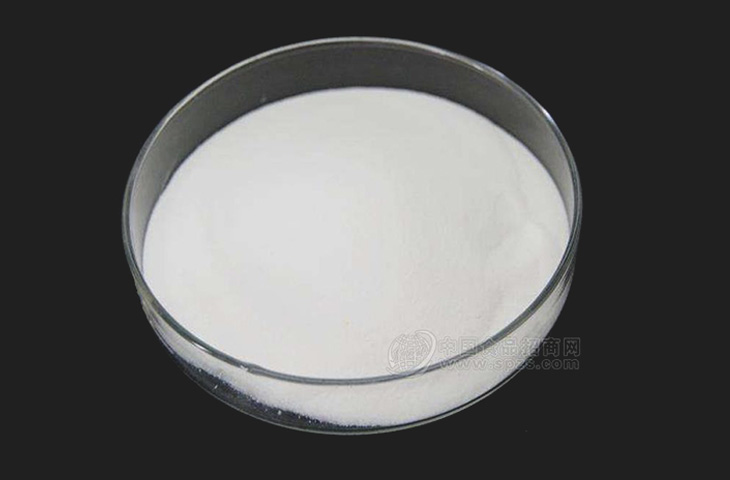




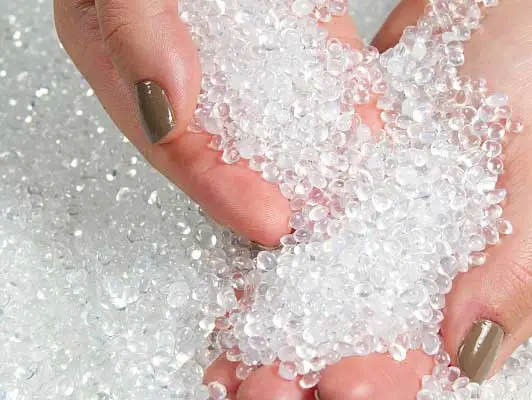
Sodium tripolyphosphate (STPP), also known as pentasodium phosphate, sodium pyrophosphate metaphosphate, or simply STPP, is a white, powdery crystal with good fluidity. It has a relative molecular mass of 367 and a melting point of 622°C. Sodium tripolyphosphate is highly soluble in water, forming an alkaline aqueous solution, which makes it ideal for use in a variety of industrial and food processing applications.
Its versatility and chemical properties, such as being an excellent moisture-retaining agent, quality improver, pH regulator, and metal chelating agent, make it a valuable compound in several industries.
| Product Name | Sodium Tripolyphosphate |
| CAS: | 7758-29-4 |
| MF: | Na5O10P3 |
| MW: | 367.86 |
| EINECS: | 231-838-7 |
| Mol File: | 7758-29-4.mol |
| Melting Point: | 622°C |
| Solubility: | Soluble in water, forming an alkaline solution |
| Appearance: | White powder or granular crystals, free-flowing |
| Odor: | Odorless |
| Purity: | ≥ 94% |
| Heavy Metals (as Pb): | ≤10 ppm |
| Arsenic (As): | ≤3 ppm |
| Fluoride (F): | ≤10 ppm |
Food Industry: It is widely used as a moisture-retaining agent and quality improver in food products such as seafood, meat, and poultry, as well as in processed foods like baked goods and canned foods. Its ability to bind metal ions helps maintain the freshness and shelf life of these products.
Detergents and Cleaners: STPP is commonly used in laundry detergents and household cleaning products to soften water and enhance the cleaning power by helping to break down dirt and grease.
Water Treatment: As a metal chelating agent, Sodium tripolyphosphate is utilized in water treatment to bind and remove heavy metals, preventing corrosion in pipes and industrial equipment.
Textile Industry: It is employed in the textile industry as a dyeing aid, helping to improve the adhesion of dyes to fabrics and prevent the formation of calcium and magnesium salts.
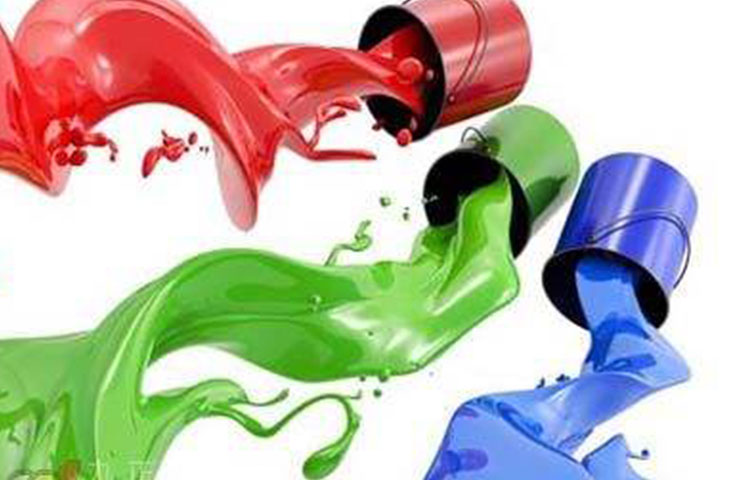
Ceramics and Paints: STPP acts as a dispersing agent in the production of ceramics and paints, helping to improve the consistency and finish of the final product. Its role in this application makes it a key ingredient for companies looking to source fine tech chemicals.
Cosmetics: Sodium tripolyphosphate is sometimes used in cosmetic formulations for its ability to regulate pH and enhance the stability of products.
Premium Quality: We source our STPP from reliable manufacturers, ensuring consistent quality and compliance with international standards.
Competitive Pricing: With our efficient supply chain, we offer competitive prices without compromising on product quality.
Customization: We offer various packaging options and can provide tailored solutions to meet your specific industry requirements.
Expert Support: Our experienced team provides technical support to help you make informed decisions and maximize the effectiveness of your products. Whether you need advice on product development or information on regulatory compliance, Topfine is your trusted partner in fine chemical manufacturing.
Storage Conditions: Store in a cool, dry place away from moisture and direct sunlight. Keep containers tightly closed when not in use.
Packaging: Typically packaged in 25 kg bags or customized bulk containers. Ensure that the packaging is intact and free from damage during storage and transportation.
Handling: Use appropriate personal protective equipment (PPE), such as gloves and dust masks, when handling STPP in large quantities, to avoid inhalation or skin contact.
3 / F, South Tower,1# Building, No.456 North Fute Road, Pudong New District, Shanghai 200131, China




021-5858-9995